
A Beginner’s Guide to GEO Services for Digital Marketers
Discover how GEO Services can boost your digital marketing strategies. Learn practical tips and tools to leverage location-based marketing effectively.
 Adomantra
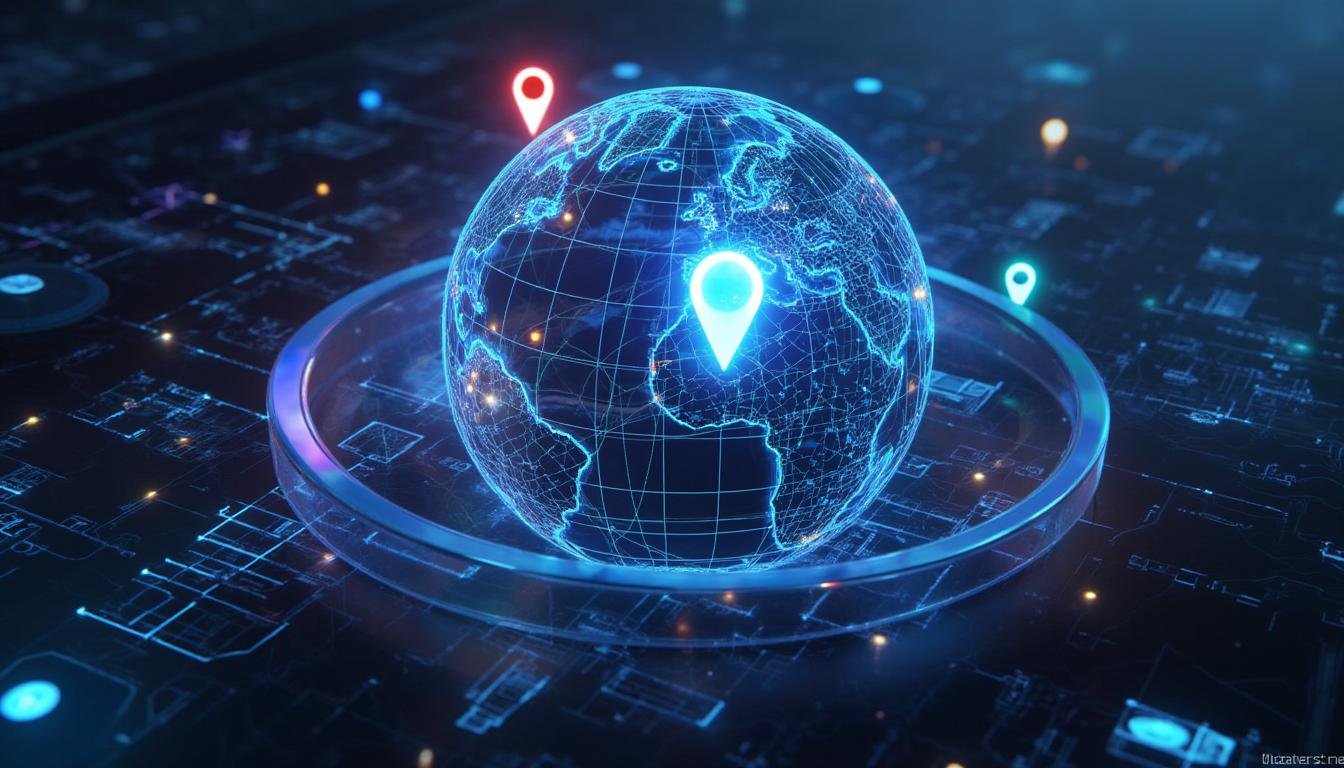

In today’s digital marketing landscape, personalized experiences have become the key to customer engagement. One of the most effective ways to deliver such experiences is through GEO Services. These services allow businesses to target audiences based on their geographic location, offering relevant content, promotions, and recommendations. For digital marketers, understanding and utilizing GEO Services can dramatically improve campaign performance, enhance customer satisfaction, and increase ROI.
In this comprehensive guide, we at Adomantra will walk you through the fundamentals of GEO Services, their applications, advantages, challenges, and best practices. By the end of this article, even a beginner will feel confident in integrating location-based strategies into their marketing campaigns.
1. What Are GEO Services?
GEO Services, also known as geolocation services, use geographic data from devices such as smartphones, tablets, or computers to determine the physical location of users. This data can then be used by marketers to deliver location-specific content, advertisements, and promotions.
Geolocation can be collected through several methods:
-
GPS (Global Positioning System): Most smartphones and navigation apps use GPS to track precise location.
-
IP Address: Provides a general location based on the user’s network connection.
-
Wi-Fi and Bluetooth Signals: Useful for indoor tracking and proximity marketing.
-
Mobile Apps and Device Sensors: Many apps request location permissions to offer location-based features.
With these data sources, digital marketers can craft campaigns that feel personal and relevant, thereby increasing engagement and conversions.
2. Importance of GEO Services in Digital Marketing
Integrating GEO Services into your marketing strategy offers numerous benefits:
2.1 Enhanced Personalization
Modern consumers expect content tailored to their needs and preferences. GEO Services allow marketers to personalize messages based on location, which can range from recommending nearby stores to offering localized discounts.
2.2 Improved Ad Targeting
Location-based targeting helps reduce wasted ad spend. Ads can be shown only to users in specific regions, cities, or even neighborhoods, ensuring higher relevance and engagement.
2.3 Increased Foot Traffic for Physical Stores
For businesses with brick-and-mortar locations, GEO Services can drive more in-store visits. By targeting customers near their locations, marketers can send timely offers that encourage immediate action.
2.4 Better Analytics and Insights
GEO Services provide insights into user behavior based on geographic locations. Marketers can analyze where their audience is most active, identify regional trends, and adjust campaigns accordingly.
At Adomantra, we emphasize leveraging these benefits to optimize marketing campaigns and maximize returns.
3. Types of GEO Services for Digital Marketers
Digital marketers can utilize various types of GEO Services depending on their campaign goals:
3.1 Geofencing
Geofencing creates a virtual boundary around a physical location. When a user enters or exits this area, marketers can trigger targeted notifications, offers, or ads. For example, a coffee shop can send a discount coupon to customers when they are within a 500-meter radius.
3.2 Geotargeting
Geotargeting allows businesses to display content or ads based on the user’s location. Unlike geofencing, which reacts to movement in real time, geotargeting is primarily used for content personalization and ad placement across websites or social media platforms.
3.3 Beacons and Proximity Marketing
Beacons are small devices installed in physical locations to communicate with nearby smartphones. They work with Bluetooth technology to deliver highly specific messages or promotions when a user is within a particular range.
3.4 Location-Based Analytics
These services help businesses analyze patterns of customer movement and engagement in different regions. Insights gained can inform marketing decisions, store placement, and inventory planning.
Each of these GEO Services plays a crucial role in helping marketers create precise, engaging, and efficient campaigns.
4. Practical Applications of GEO Services in Digital Marketing
GEO Services can be applied across multiple channels and strategies. Here are some of the most impactful use cases:
4.1 Local SEO and Google My Business
Optimizing for local search ensures that your business appears in search results when users look for services nearby. GEO Services help track the location of searchers and improve visibility in local search results, which drives organic traffic.
4.2 Targeted Advertising
With platforms like Google Ads and Facebook Ads, marketers can target audiences based on location, enhancing relevance and ROI. For example, a travel agency can target ads for local holiday packages to users in specific cities.
4.3 Event Marketing
Businesses hosting events can leverage GEO Services to invite nearby users or send reminders. For instance, concerts, exhibitions, or product launches can attract more attendees by targeting local audiences.
4.4 Retail and E-commerce
Physical stores and online businesses benefit from GEO Services by offering location-specific promotions. This could include free shipping for local customers or in-store pickup options.
4.5 Mobile App Engagement
Apps can use GEO Services to provide personalized experiences such as location-based notifications, offers, and recommendations. Food delivery apps, for instance, suggest restaurants near the user’s current location.
At Adomantra, we combine these applications with strategic marketing insights to help clients maximize engagement and conversions.
5. Advantages of Using GEO Services
Using GEO Services effectively provides multiple advantages for digital marketers:
-
Higher Conversion Rates: Personalized and relevant campaigns naturally result in better engagement and sales.
-
Cost Efficiency: By targeting specific locations, businesses reduce wasted ad spend.
-
Customer Loyalty: Sending timely, relevant offers increases customer satisfaction and loyalty.
-
Competitive Advantage: Location-based strategies help businesses stand out by offering unique, timely experiences.
-
Data-Driven Decisions: Insights from GEO Services help marketers refine strategies and optimize campaigns.
These benefits illustrate why integrating GEO Services into your marketing strategy is no longer optional but essential.
6. Challenges and Considerations
While GEO Services are highly beneficial, marketers must be aware of potential challenges:
6.1 Privacy Concerns
Users are increasingly aware of privacy issues, and strict regulations like GDPR require businesses to handle location data responsibly. Always obtain explicit consent before collecting or using location information.
6.2 Accuracy Limitations
Location data can sometimes be inaccurate due to GPS errors, IP address approximations, or Wi-Fi connectivity issues. Marketers should combine multiple data sources to ensure precision.
6.3 Over-Saturation
Sending too many location-based messages can overwhelm or annoy users. Maintain a balance and ensure that offers and notifications are genuinely valuable.
6.4 Technical Complexity
Implementing GEO Services requires technical expertise and compatible tools. Partnering with agencies like Adomantra can simplify this process and ensure campaigns are executed flawlessly.
7. Best Practices for Implementing GEO Services
To maximize the effectiveness of GEO Services, marketers should follow these best practices:
7.1 Clear Objectives
Define specific goals before implementing GEO Services, whether it’s increasing foot traffic, boosting app engagement, or improving ad targeting.
7.2 Segmentation and Personalization
Segment your audience based on location, preferences, and behavior. Deliver tailored messages to increase relevance and engagement.
7.3 Compliance and Transparency
Always comply with privacy regulations and inform users how their location data will be used. This builds trust and prevents legal issues.
7.4 Testing and Optimization
Continuously monitor campaign performance, test different locations, offers, and messages, and refine strategies based on results.
7.5 Integration with Marketing Channels
Use GEO Services across multiple channels such as mobile apps, social media, email marketing, and websites to create a consistent and effective user experience.
By adhering to these practices, businesses can leverage GEO Services to drive measurable results.
8. Tools and Platforms for GEO Services
Several tools and platforms can help marketers implement GEO Services effectively:
-
Google Ads Location Targeting – For running ads based on specific regions.
-
Facebook and Instagram Ads – Allows precise geotargeting for campaigns.
-
Foursquare and Swarm – For location-based marketing and analytics.
-
Radar.io – Provides geofencing and location-aware features for mobile apps.
-
Adomantra Solutions – Offers integrated GEO Services for businesses, ensuring seamless execution and ROI-driven results.
Choosing the right tools depends on your campaign objectives, audience, and technical capabilities.
9. Future Trends in GEO Services
The future of GEO Services in digital marketing is promising, driven by advances in AI, IoT, and mobile technology. Key trends include:
-
Hyper-Local Marketing: Targeting micro-locations with highly specific offers and promotions.
-
Augmented Reality (AR) Experiences: Using location data to deliver immersive AR campaigns.
-
Predictive Analytics: Anticipating customer behavior based on location patterns.
-
Integration with Smart Devices: IoT devices providing real-time location insights for marketing automation.
Marketers who embrace these trends early will gain a competitive edge in engaging and retaining customers.
10. Conclusion
GEO Services are no longer optional—they are an essential component of modern digital marketing. By leveraging location-based insights, marketers can deliver highly relevant campaigns that drive engagement, conversions, and loyalty.
For beginners, the key is to start small, test campaigns, and gradually expand your location-based marketing strategies. With guidance from experts like Adomantra, businesses can implement GEO Services effectively, overcoming challenges and achieving measurable results.
Whether it’s geofencing, geotargeting, or proximity marketing, GEO Services offer a wealth of opportunities for marketers ready to deliver personalized experiences. Start today, and watch your campaigns become more relevant, efficient, and impactful.
FAQ: GEO Services for Digital Marketers
1. What are GEO Services in digital marketing?
GEO Services are location-based tools and strategies that allow marketers to target audiences according to their physical location. These services use GPS, IP addresses, Wi-Fi, or mobile apps to deliver relevant content, offers, and promotions tailored to where users are at a specific time. GEO Services help businesses improve engagement, conversions, and customer satisfaction.
2. How do GEO Services benefit digital marketers?
GEO Services offer multiple advantages, including:
-
Personalized marketing: Sending offers and messages based on a user’s location.
-
Better targeting: Reducing ad spend by showing ads only to relevant audiences.
-
Driving foot traffic: Encouraging visits to physical stores or local events.
-
Data insights: Understanding regional trends and customer behavior for smarter decisions.
By integrating GEO Services, marketers can ensure campaigns are more relevant and effective.
3. What are the types of GEO Services available?
The main types of GEO Services used in digital marketing include:
-
Geofencing: Triggers notifications when users enter or exit a virtual boundary.
-
Geotargeting: Displays content or ads based on a user’s location.
-
Proximity Marketing: Uses beacons or Bluetooth to send messages to nearby users.
-
Location Analytics: Provides insights on user movement, store visits, and regional trends.
These tools can be combined for a comprehensive location-based marketing strategy.
4. How does geofencing work in marketing campaigns?
Geofencing creates a virtual perimeter around a specific location, such as a store or event venue. When a user’s device enters or exits this boundary, marketers can trigger notifications, ads, or special offers. For example, a coffee shop can send a discount coupon to users passing nearby. This real-time engagement helps increase foot traffic and conversions.
5. Can GEO Services improve local SEO?
Yes! GEO Services play a key role in local SEO. By understanding where users are searching from, businesses can optimize their content to appear in local search results. This includes Google My Business optimization, location-specific keywords, and local citations. For instance, a restaurant targeting “best Italian food in Mumbai” can attract customers searching nearby.
6. Are GEO Services safe to use for marketing?
When implemented responsibly, GEO Services are safe. However, marketers must comply with privacy laws like GDPR and CCPA. Users should be informed about how their location data will be used and must provide consent. Transparency builds trust and avoids legal issues, while still allowing marketers to deliver personalized, location-based experiences.
7. Which tools are best for implementing GEO Services?
Several tools help marketers integrate GEO Services into campaigns:
-
Google Ads Location Targeting: For running ads based on specific regions.
-
Facebook and Instagram Ads: Offers precise geotargeting for campaigns.
-
Radar.io: Enables geofencing and location-aware features for apps.
-
Foursquare and Swarm: Provides location-based analytics and promotions.
-
Adomantra Solutions: Offers integrated GEO Services, combining strategy, technology, and analytics to maximize results.
Choosing the right tool depends on campaign goals, audience, and available resources.
8. What industries benefit most from GEO Services?
GEO Services are valuable across many industries, including:
-
Retail: Driving in-store visits and offering local promotions.
-
Travel and Tourism: Promoting nearby attractions, hotels, or events.
-
Food & Beverage: Targeting customers with nearby restaurant offers or delivery options.
-
Events & Entertainment: Attracting local audiences to concerts, exhibitions, or product launches.
-
E-commerce: Personalizing offers based on location for better customer experience.
Any business aiming to engage users with relevant, location-specific campaigns can benefit.
9. What is the difference between geotargeting and geofencing?
-
Geotargeting: Focuses on delivering ads or content based on the user’s general location, like a city, state, or country. It is used mainly for content personalization across digital platforms.
-
Geofencing: Creates a virtual boundary around a specific location and triggers real-time actions when a user enters or exits that area. It is ideal for immediate engagement and proximity marketing.
Both approaches are complementary and can be combined for a more powerful strategy.
10. What is the future of GEO Services in marketing?
The future of GEO Services is highly promising due to advancements in technology:
-
Hyper-local campaigns: Targeting micro-locations and neighborhoods.
-
Integration with AR and VR: Creating immersive experiences based on location.
-
Predictive analytics: Using location data to anticipate user behavior.
-
IoT and smart devices: Real-time location tracking for automated campaigns.
Marketers who adopt these trends early will have a competitive advantage in delivering personalized, timely, and impactful campaigns.