

Will GEO Replace SEO? The Future of Digital Marketing
In recent years, the digital marketing landscape has evolved at a breakneck pace, with various strategies and technologies coming to the forefront.
 howtrendusa
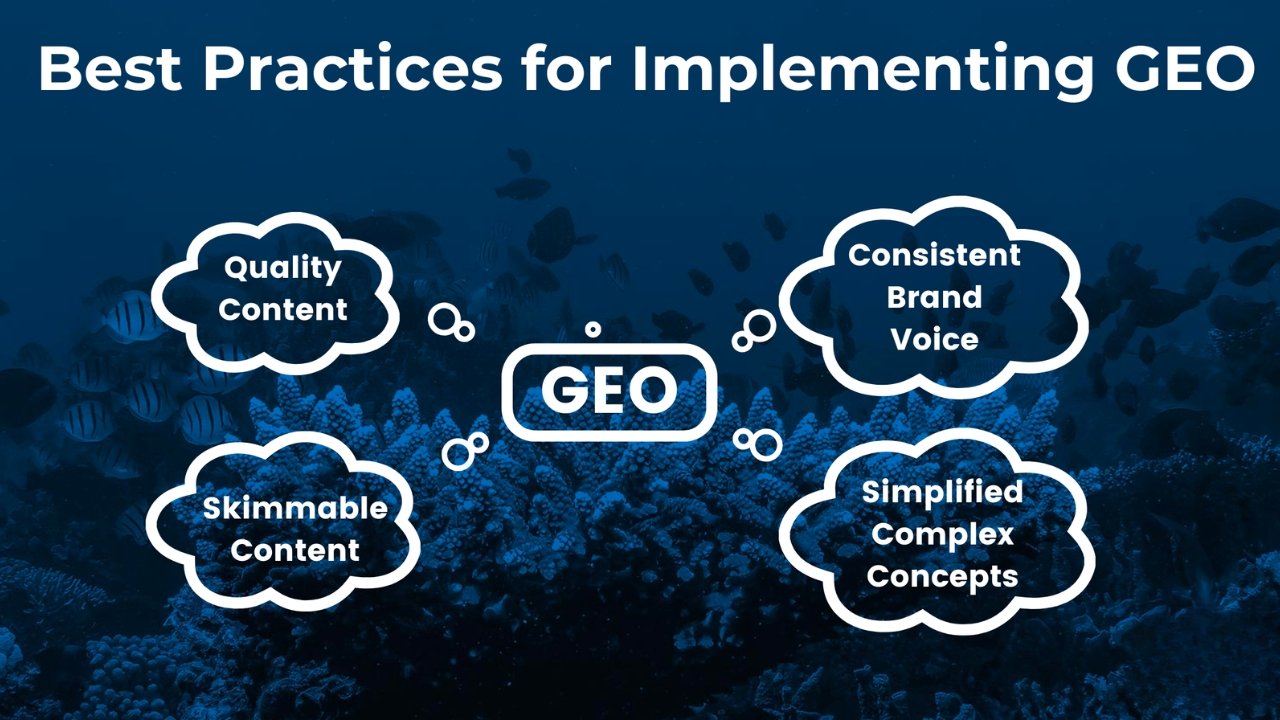
In recent years, the digital marketing landscape has evolved at a breakneck pace, with various strategies and technologies coming to the forefront. One of the most significant debates circulating among marketers and business owners is whether GEO (Geographical Targeting Optimization) will replace SEO (Search Engine Optimization). As search engines become increasingly sophisticated and consumer behavior shifts toward more localized and personalized experiences, this question has become a pivotal point of discussion. Will GEO replace SEO in the near future, or will both coexist, each serving a distinct role in driving online visibility and engagement? Let’s dive deeper into this emerging question.
The Rise of GEO and Its Relevance to SEO
GEO, or Geographical Targeting Optimization, refers to the practice of tailoring digital content and marketing strategies based on a user’s physical location. This is done by utilizing location data from a variety of sources, including mobile devices, IP addresses, and GPS, to serve users with relevant content specific to their region.
SEO, on the other hand, is the process of optimizing a website or content to rank higher in search engine results pages (SERPs). While traditional SEO has been largely based on keywords and backlinks, the focus has shifted in recent years toward creating high-quality, relevant content that answers the needs of users. As we see increasing localization of content, GEO is being positioned as a tool that can enhance the personalization of digital marketing efforts.
However, while the rise of GEO presents new opportunities, it’s important to understand whether this new trend will fully replace SEO or if it will merely serve as a complementary strategy.
Understanding the Differences Between GEO and SEO
Before diving into the debate, it’s crucial to examine the fundamental differences between GEO and SEO.
-
SEO is built around improving a website’s visibility across a wide array of search engines. It focuses on optimizing elements such as content, structure, backlinks, and keywords to improve rankings. SEO traditionally targets a broader audience, without much focus on location-specific results.
-
GEO, however, is much more specific. By leveraging geographical targeting, businesses can tailor their marketing efforts to specific regions, cities, or even neighborhoods. This is especially valuable for businesses with physical stores, regional services, or localized offerings. For example, a local bakery in New York City might want to appear in search results specifically for customers in Manhattan, as opposed to a broader, national search result.
While SEO and GEO are two distinct strategies, they are not mutually exclusive. In fact, the two can work together to create a more effective, personalized user experience.
Will GEO Replace SEO? An Expert's Take
To understand the long-term viability of GEO in relation to SEO, we need to examine expert opinions. According to industry expert Rand Fishkin, founder of SparkToro, “SEO is not dying. It’s evolving. As search engines become more advanced and user-centric, local and geo-targeted content is becoming increasingly important, but it’s still very much a part of the larger SEO ecosystem.”
Fishkin’s insight suggests that while GEO is a growing trend, it is unlikely to completely replace SEO. Instead, it should be seen as an enhancement to SEO, allowing businesses to gain more visibility within their local markets while still optimizing their website for broader search rankings.
How GEO Is Changing the Search Engine Landscape
Search engines like Google have already integrated geographical targeting into their algorithms. Features like Google Maps, local search results, and “near me” queries are more prominent than ever before. These features reflect a shift toward prioritizing location-based results, as search engines increasingly recognize the importance of delivering content that is relevant to the user's physical location.
For businesses, this change means that digital marketing strategies must evolve to incorporate both GEO and SEO techniques. For example, a restaurant chain in California must ensure that their website ranks well for broader food-related keywords while simultaneously optimizing for geo-specific searches such as “best restaurants in Los Angeles” or “Mexican food near me.” This combination ensures that the business remains visible to both local and broader audiences.
Furthermore, search engines are becoming more adept at understanding user intent, particularly with the rise of voice search and mobile search. Users are no longer just typing in keywords; they’re asking questions that reflect their current location and immediate needs. A user searching for “where’s the nearest gas station” is more likely to be interested in localized results than someone searching for “best gas station.” GEO targeting allows businesses to capture this hyper-local demand, delivering highly relevant content to the right users at the right time.
GEO and SEO: Complementary Forces in Digital Marketing
Rather than seeing GEO and SEO as competitors, it’s more productive to view them as complementary forces in digital marketing. As the digital landscape becomes more personalized, businesses must adapt to the needs of their audience. GEO ensures that the right content reaches the right person, while SEO ensures that a website ranks high enough to be discovered by search engines.
For example, businesses targeting a national audience may still need to focus on SEO to achieve visibility across a broad spectrum of search results. At the same time, these same businesses can use GEO to ensure that their local stores or services are well-represented in geographically relevant search results.
The Role of Content in GEO and SEO Strategies
Content plays a central role in both GEO and SEO strategies. For SEO, high-quality content that answers users’ queries and provides valuable information is essential for ranking high in search results. For GEO, creating region-specific content is equally important.
Take a regional hotel chain as an example: while they may create content optimized for broader keywords like “best vacation spots” or “luxury hotels,” they will also create content specific to the locations they serve. This could include articles on “best things to do in Miami” or “family-friendly hotels in San Diego.” By producing localized content, they enhance their ability to target users in a specific geographic area while still maintaining an effective SEO strategy.
Moreover, SEO’s focus on E-A-T (Expertise, Authoritativeness, and Trustworthiness) also extends to GEO-targeted content. Local businesses must demonstrate their expertise in their specific region, not just in their industry. A local bakery, for example, can improve its E-A-T by sharing recipes, customer testimonials, or local collaborations, thus building both authority in the local market and trust among local consumers.
Conclusion: The Future of GEO and SEO
In conclusion, while GEO is undoubtedly gaining ground in the world of digital marketing, it is unlikely to fully replace SEO. The two strategies can and should work together to create a holistic digital marketing approach that targets both broad and localized audiences. GEO brings a new level of personalization and precision, allowing businesses to effectively serve their local communities. Meanwhile, SEO continues to provide the foundational elements necessary to rank well across search engines.
The future of digital marketing lies in the seamless integration of these two strategies. Businesses that embrace both GEO and SEO will not only improve their online visibility but will also enhance their ability to deliver content that is both relevant and engaging to their target audience. As search engines continue to evolve, it will be exciting to see how GEO and SEO work together to shape the next generation of digital marketing.
Ultimately, the real question is not whether GEO will replace SEO, but how businesses can use both to create a more effective, personalized, and successful digital marketing strategy.